
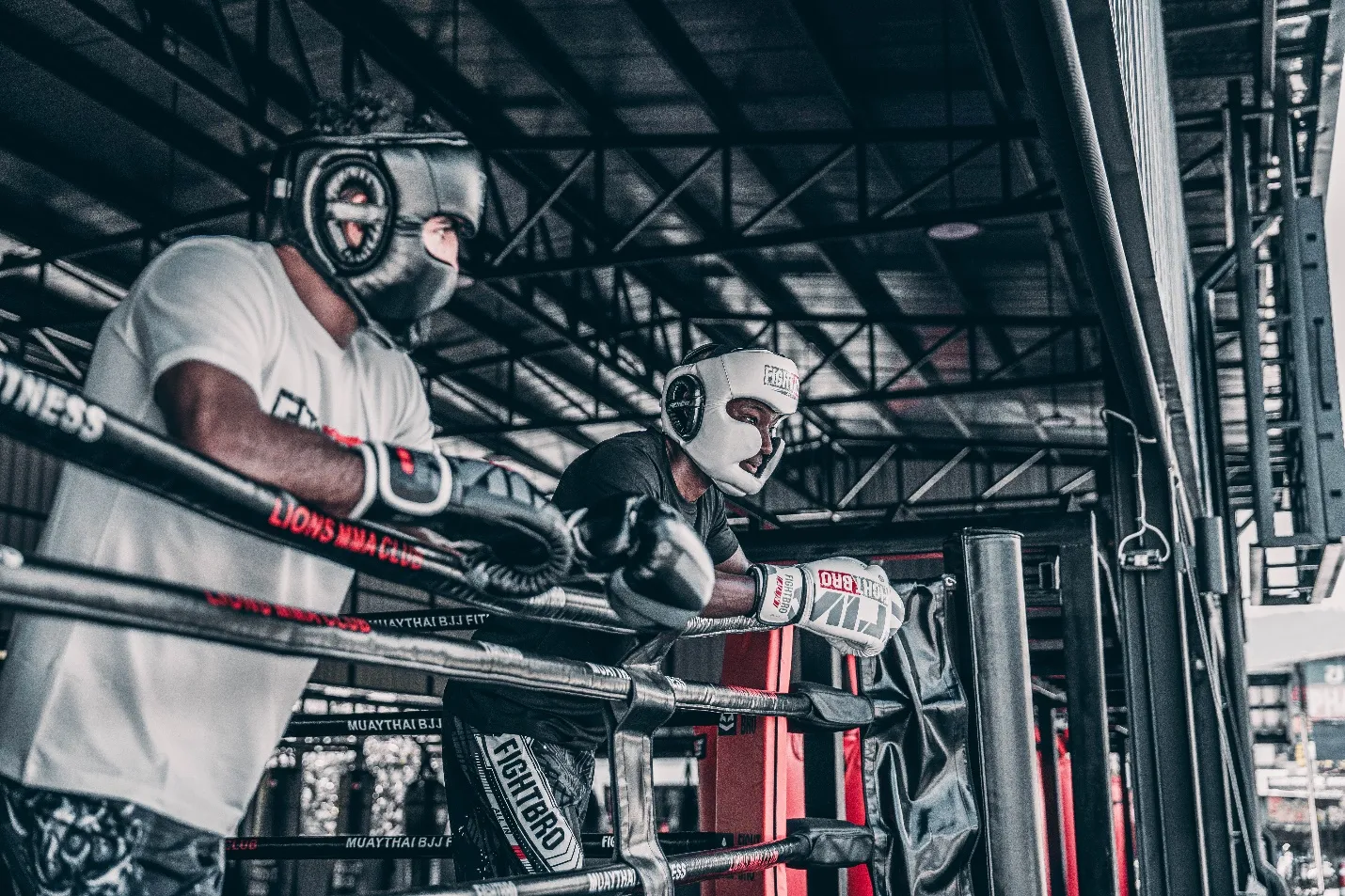
Opening an MMA gym requires more than filling a room with punching bags and mats. Mixed martial arts combines striking, grappling, takedowns, clinch work, conditioning, and sparring, so the equipment list needs to support several training styles at once.
The smartest approach is to start with the essentials and build around the classes you plan to offer. A practical startup checklist can help control costs, avoid clutter, and make sure coaches have the right tools from day one.
Start With the Training Floor
Flooring should be one of the first purchases because nearly every MMA class depends on it. Athletes need a surface that supports footwork, takedowns, ground transitions, and repeated contact with the floor.
The mat area should also reflect expected class numbers. A small section may work for private sessions, but group classes require enough room for several pairs to drill without constantly crossing into one another’s space.
Owners should also consider grip, thickness, cleaning, and long-term durability.
Build a Core Striking Setup
A new MMA gym does not need every bag style immediately, but it should have enough striking stations for regular classes. Traditional heavy bags, longer kick bags, and a few specialist options can support punches, kicks, knees, and combinations.
Coaches will also need focus mitts, Thai pads, kick shields, and body protectors. These tools allow classes to include partner drills instead of relying entirely on fixed bag stations.
Leave enough clearance around each bag so athletes can circle and kick comfortably.
Add an MMA Cage When the Program Requires It
For gyms preparing athletes for competition, an MMA Cage can become an important part of the training environment. Fighters can practice fence control, clinch pressure, takedown defense, escapes, and positional work under more realistic conditions.
However, a cage takes up considerable floor space. New owners should first decide whether competition-focused MMA will be central to the program.
If space or budget is limited, establishing a strong mat and striking setup first may be more practical, with the cage added later as membership grows.
Stock Enough Protective Equipment
Protective gear is essential for controlled partner work and sparring. Depending on the program, the gym may need boxing gloves, MMA gloves, shin guards, headgear, body protectors, and other shared items.
New students and trial members may not own personal gear, so keeping several sizes available can make beginner classes easier to run.
Shared equipment should also have a regular cleaning and inspection routine. Worn padding, damaged straps, and heavily used gloves should be identified before they create problems during training.
Choose a Supplier Around the Complete Setup
Buying each item individually can make a startup equipment plan difficult to manage. Working with an MMA gym equipment supplier USA can help owners consider mats, bags, cages, protective gear, and accessories as parts of one complete facility.
Before placing larger orders, build an inventory around expected class sizes. This helps prevent spending too much on one equipment category while overlooking another.
It is also useful to separate opening-day essentials from products that can be added after the gym begins operating.
Include Basic Conditioning Equipment
MMA athletes need conditioning alongside technical training. A practical startup setup might include skipping ropes, resistance bands, medicine balls, kettlebells, and other flexible training tools.
The conditioning area does not need to dominate the facility. Movable equipment allows one section to support warm-ups, circuits, mobility work, and partner drills at different times.
Avoid filling valuable floor space with machines unless they play an important role in the gym’s training program.
Plan Storage From the Beginning
Gloves, pads, wraps, cleaning supplies, resistance tools, and spare gear can quickly create clutter. Dedicated storage should therefore be part of the original floor plan.
Wall racks, shelves, hooks, and labeled bins can keep equipment accessible while protecting active training zones and walkways.
Organized storage also makes it easier for coaches to identify damaged, missing, or worn equipment before classes begin.
Leave Room for Growth
A new MMA gym does not need every possible piece of equipment before opening. It is usually more practical to begin with good flooring, enough striking gear, protective equipment, basic conditioning tools, and a functional layout.
As membership increases, the gym can add more bags, expand mat areas, introduce specialized equipment, or develop a larger competition-training section.
Leaving some open space at the beginning can make these changes much easier later.
Conclusion
A new MMA gym needs equipment that supports striking, grappling, conditioning, coaching, and safe movement without overcrowding the facility. Flooring, bags, pads, protective gear, storage, and competition-specific equipment should all be chosen around actual class needs.
The best startup checklist is not necessarily the longest one. It is the one that covers essential training requirements, fits the available space, and leaves room for future development. By planning purchases in stages and matching equipment quantities to expected membership, owners can create a practical training environment from the beginning while avoiding unnecessary spending and difficult layout changes later.